Research
Soft matter is everywhere: in food, paint, cosmetics, and in the cells and tissues of our own bodies. What these materials have in common is that their building blocks are large, slow and easily pushed around. My group builds optical tools to watch that motion directly, and uses them to understand how soft and living materials flow, rearrange, age and fail.
Seeing motion with a microscope
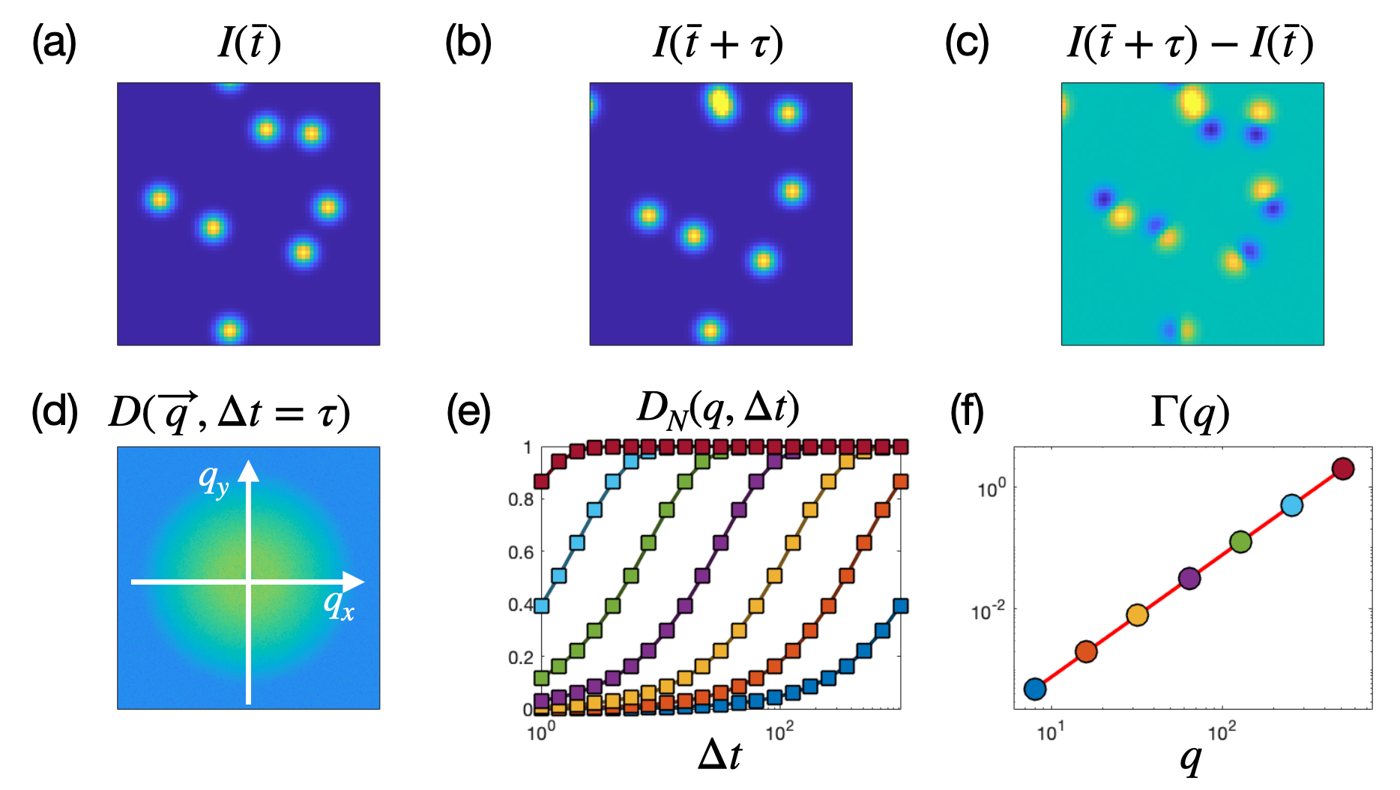
In 2008, with Veronique Trappe, I introduced Differential Dynamic Microscopy (DDM). It analyses the differences between frames of an ordinary microscope movie in Fourier space and returns the same kind of information as a light-scattering experiment: how fast things move, at every length scale at once, without tracking individual objects. DDM now runs on microscopes in many laboratories, for samples ranging from proteins and nanoparticles to bacteria and tissues. We keep extending it, for example to samples under oscillatory shear. To see how it works, try DDM, hands on, a page that simulates a DDM experiment in your browser, from the raw movie to the particle size.
Key papers
- Differential Dynamic Microscopy: Probing Wave Vector Dependent Dynamics with a Microscope ArticlePhysical Review Letters (2008), cited 485
- Scattering information obtained by optical microscopy: Differential dynamic microscopy and beyond ArticlePhysical Review E (2009), cited 233
- Perspective: Differential dynamic microscopy extracts multi-scale activity in complex fluids and biological systems ReviewThe Journal of Chemical Physics (2017), cited 104
- The Hitchhiker’s guide to differential dynamic microscopy ReviewThe Journal of Chemical Physics (2025), cited 18
Soft materials under stress
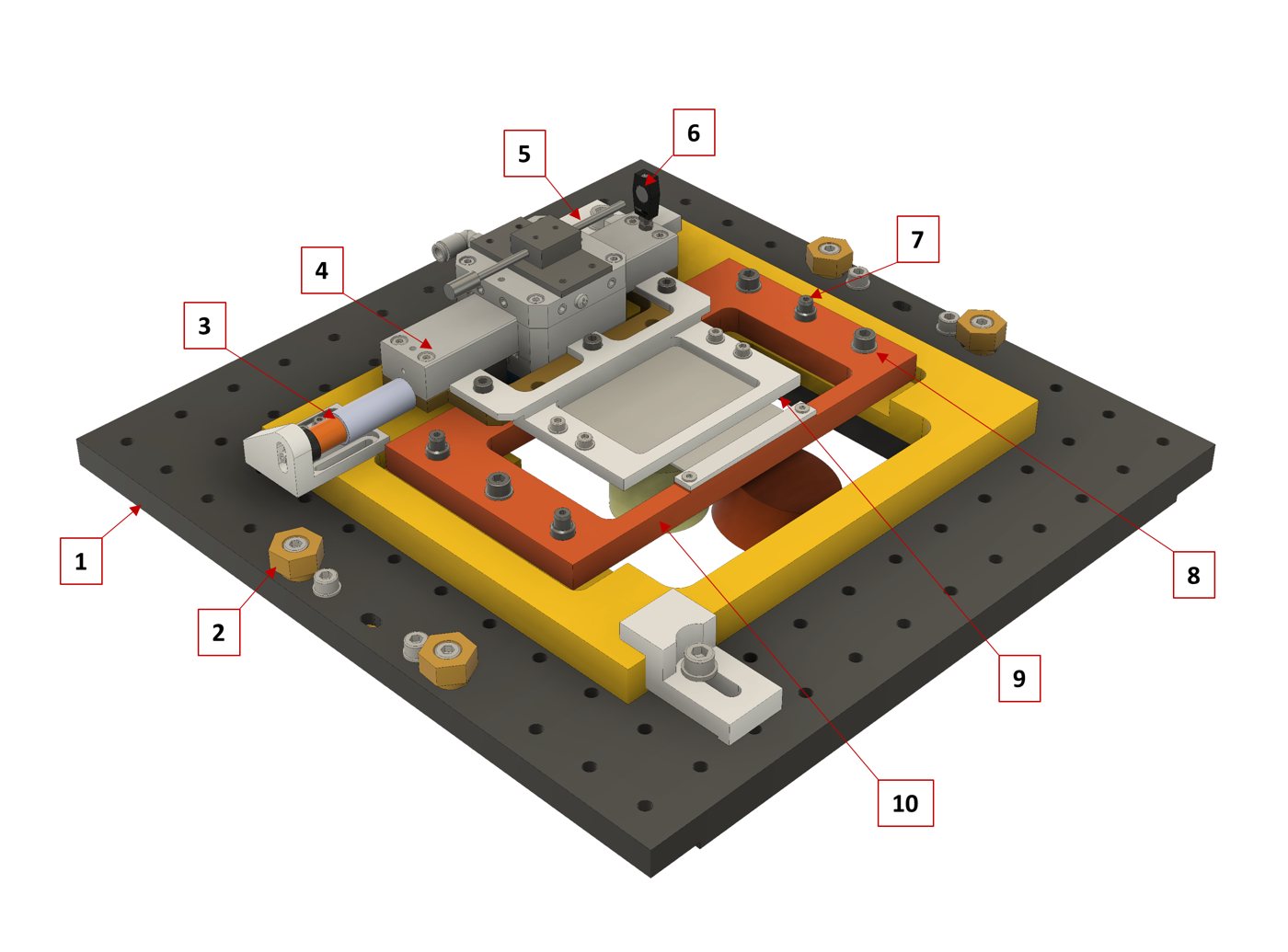
Gels, foams and dense suspensions can behave like solids or like liquids depending on how hard and how fast they are pushed. We combine rheology with microscopy to see what happens inside the material while it yields, flows or breaks. For this we built ShearView, a compact open-source shear cell that sits on top of an optical microscope. A current project asks whether gels can be "trained", like muscles, to change their properties after they have formed.
Key papers
- ShearView: A compact stress- and strain-controlled linear rheometer for integrated rheomicroscopy ArticleJournal of Rheology (2026), cited 4
- Matrix Viscoelasticity Decouples Bubble Growth and Mobility in Coarsening Foams ArticlePhysical Review Letters (2024), cited 6
- Emergence of Multiscale Dynamics in Colloidal Gels ArticlePhysical Review Letters (2020), cited 59
Living matter
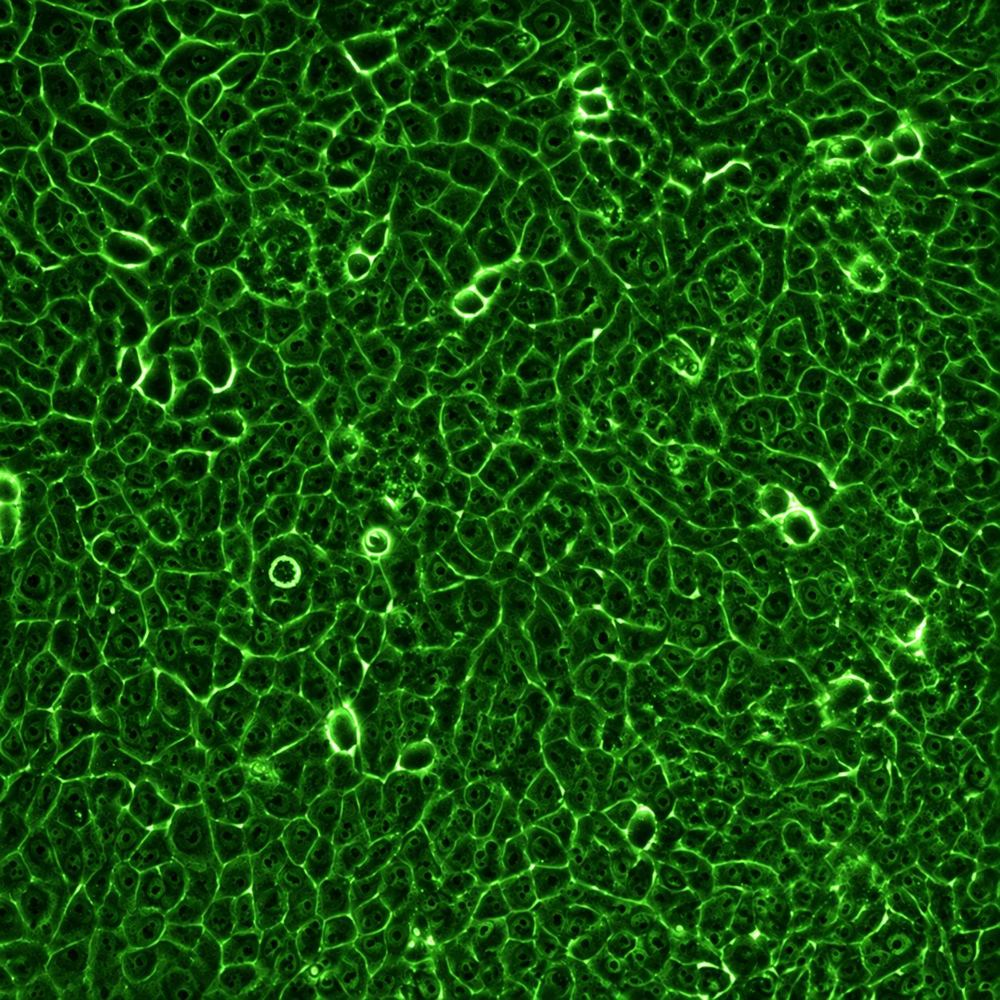
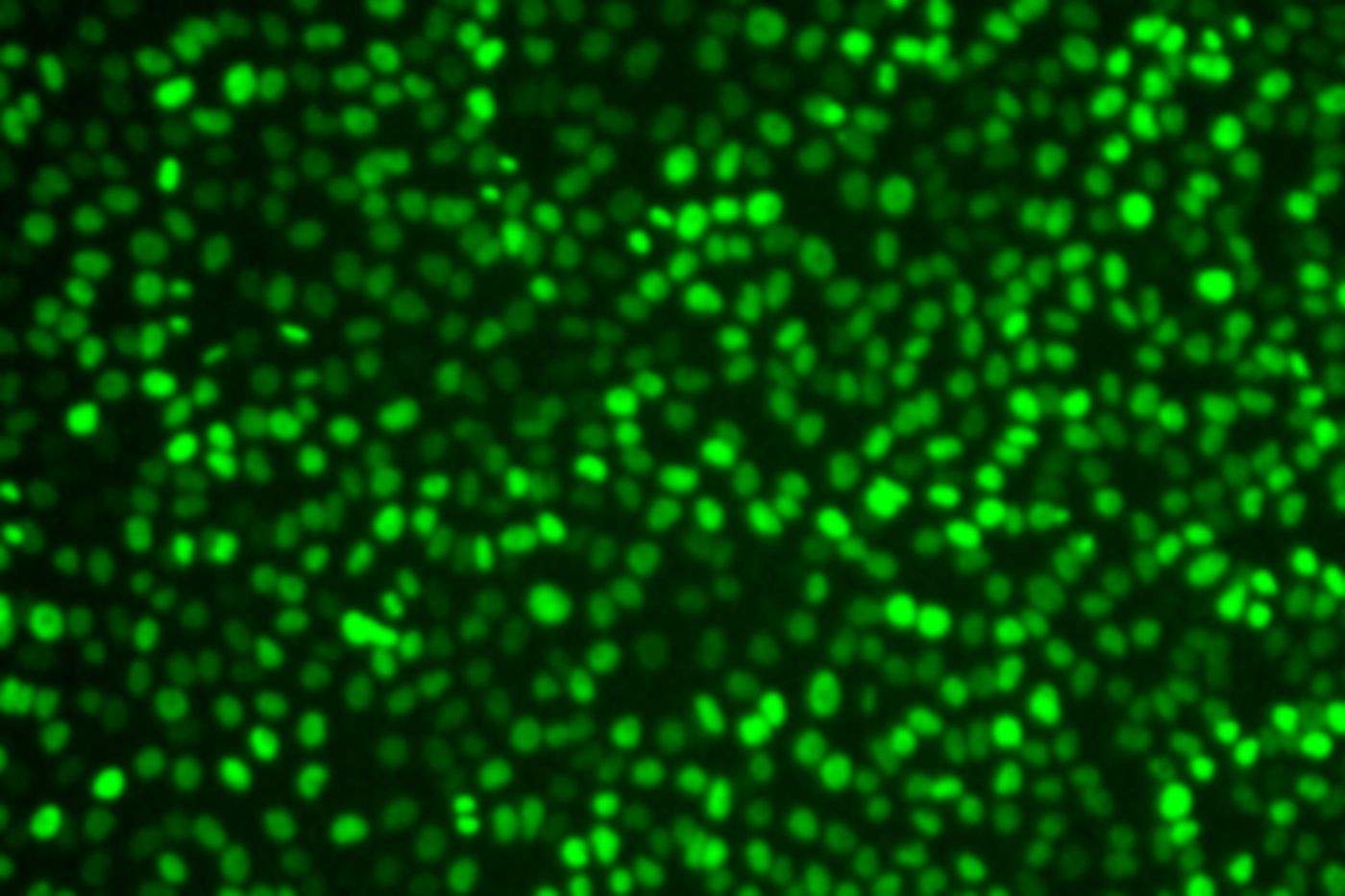
Sheets of cells behave like a soft material that can jam like a solid or flow like a liquid. With biologist colleagues, especially the group of Giorgio Scita in Milan, we measure how epithelial and cancer cells move collectively, how they unjam, and how these physical transitions are tied to development and disease. Our methods also quantify motion inside cells and the mechanics of the cell nucleus.
Key papers
- Endocytic reawakening of motility in jammed epithelia ArticleNature Materials (2017), cited 367
- Unjamming overcomes kinetic and proliferation arrest in terminally differentiated cells and promotes collective motility of carcinoma ArticleNature Materials (2019), cited 225
- Flocking transitions in confluent tissues ArticleSoft Matter (2018), cited 221
- Contact percolation governs collective motility via mechano-chemical feedback in heterogeneous breast cancer ArticleNature Communications (2026)
Fluctuations, on Earth and in space
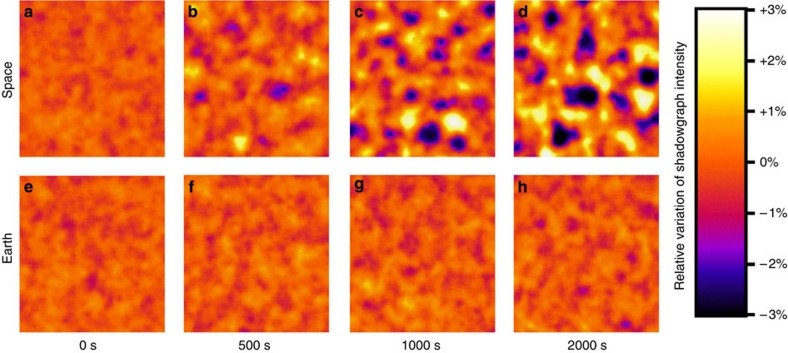
When a fluid mixture is not in equilibrium, for example while one component diffuses into the other, its concentration fluctuates on unexpectedly large scales. On Earth gravity hides most of this, so we study it in orbit. I took part in the GRADFLEX experiment flown on the FOTON-M3 satellite in 2007, and I now coordinate the science team of the Sedimenting Colloids experiment, planned for the International Space Station, which will look at how particles settle when the effective gravity can be tuned.
Key papers
- Fractal fronts of diffusion in microgravity ArticleNature Communications (2011), cited 143
- Diffusion in liquid mixtures Reviewnpj Microgravity (2023), cited 38
Scattering without a scattering instrument
Before DDM, my work focused on near-field scattering: measuring scattering information from the speckle pattern recorded close to the sample, first with visible light and later with X-rays at synchrotrons. These ideas still shape how we design experiments today.
Key papers
- X-ray-scattering information obtained from near-field speckle ArticleNature Physics (2008), cited 150
- Near-field scattering techniques: Novel instrumentation and results from time and spatially resolved investigations of soft matter systems ReviewCurrent Opinion in Colloid & Interface Science (2009), cited 75
The lab
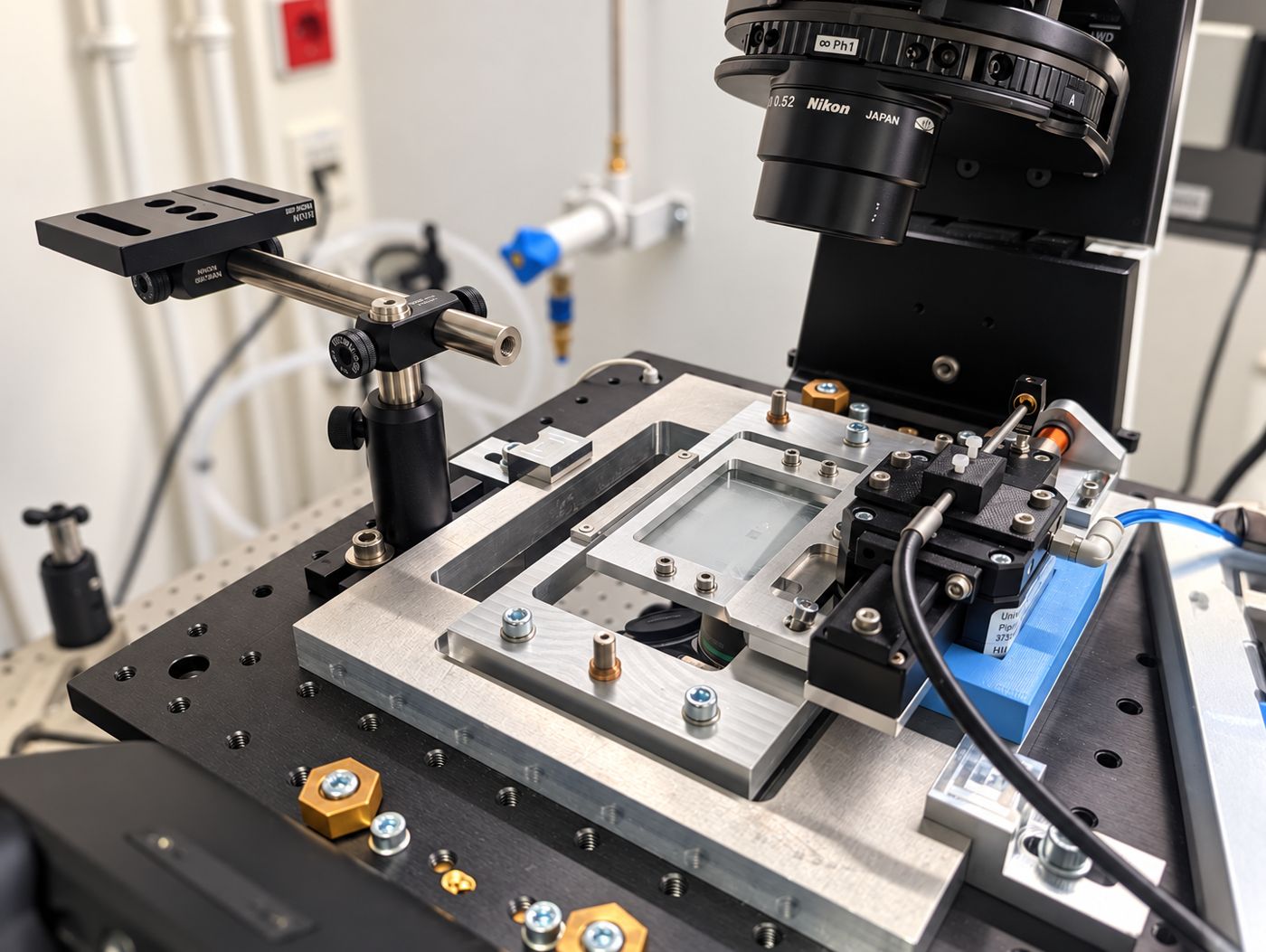
The SoMeX laboratory has its own spinning-disk confocal microscope on a fully automated inverted microscope with an incubator, a dedicated cell-culture room (biosafety level 2), a research rheometer, the in-house ShearView rheo-microscope, and access to the Vienna Scientific Cluster for heavy image analysis. More on the SoMeX website.
Visiting scientists
Colleagues who came to Vienna to work with us.
- Agnese Callegari
- Giuseppe Pesce
- Giovanni Volpe
Funding
Current projects
-
Non-Equilibrium Fluctuations in Colloids under Effective Gravity (NEFCoEG)
-
Magnetic particle transport
Selected earlier projects
-
Advancing Research and Innovation of FORTH in Green Soft Matter (FORGREENSOFT)
-
The non-equilibrium physics of colloidal sedimentation (Lise Meitner fellowship of E. Lattuada)
-
ANISOFT
-
GRADFLEX, gradient-driven fluctuations in microgravity
-
Marie Sklodowska-Curie Intra-European Fellowship
The group also carries out research contracts with industry.